Solstices, 2026
Hantée depuis toujours par l’imaginaire de la camera obscura, ma recherche ouvre sur un ensemble de méditations portant sur le passage du temps et les longs cycles temporels. Elle se caractérise au départ comme une observation critique des traces matérielles générées par l’activité humaine. De manière générale, mon approche photographique privilégie les plans frontaux et une composition centrée. Cette stratégie a pour but d’ancrer le sujet dans son espace contextuel, aussi bien que dans celui, formel, de sa représentation bidimensionnelle. Par la suite, lors du travail d’élaboration des images en post-production, j’essaie de repousser nos réflexes habituels de lecture en soumettant les fichiers à différents types de transformations actives: désaturation, passage par le négatif ou la bichromie, altération poussée de la colorimétrie. Avec le présent corpus, ma motivation première était de trouver le point précis d’équilibre où l’image se « re-stabilise », au cœur de son altération; où le représenté acquiert de fait une visibilité et une véracité nouvelle. Il m’est apparu que c’est en déréalisant le référent, que je suscitais le plus efficacement son « apparaître ». Requalifié par ses altérations, l’objet accède en quelque sorte à une nouvelle réalité où il existe alors véritablement comme figure, et requiert notre attention.
Ma proposition en l’état convoque ainsi un improbable assemblage de figures concertantes: un paysage urbain évanescent; des scènes crépusculaires désertées ou familières; trois imposantes structures verticales en dialogue: un panorama en négatif avec totem énigmatique, un tracé éphémère déployant un cycle cosmologique; un mémorial assourdi convoquant le temps tragique de l’histoire; une stèle de pierre mutique surgie d’un passé immémorial.
Always haunted by the imagination of the camera obscura, my research opens onto a series of meditations on the passage of time and long temporal cycles. It initially presents itself as a critical observation of the material traces generated by human activity. In general, my photographic approach favors frontal shots and a centered composition. This strategy aims to anchor the subject in its contextual space, as well as in the formal space of its two-dimensional representation. Subsequently, when developing the images in post-production, I try to push back against our usual reading reflexes by subjecting the files to various types of active transformations: desaturation, conversion to negative or duotone, and extensive alteration of colorimetry. With this body of work, my primary motivation was to find the precise point of equilibrium where the image “re-stabilizes” itself at the heart of its alteration, where the represented subject acquires a new visibility and veracity. It became clear to me that it was by de-realizing the referent that I most effectively established its “appearance.” Requalified by its alterations, the object somehow attains a new reality where it truly exists as a figure and demands our attention. My proposal in its current form thus calls upon an improbable assembly of concerted figures: an evanescent urban landscape; deserted or familiar twilight scenes; three imposing vertical structures in dialogue: a negative panorama with an enigmatic totem, an ephemeral drawing unfolding a cosmological cycle; a dark memorial summoning the tragic temporality of history; a silent stone stele emerging from time immemorial.
Always haunted by the imagination of the camera obscura, my research opens onto a series of meditations on the passage of time and long temporal cycles. It initially presents itself as a critical observation of the material traces generated by human activity. In general, my photographic approach favors frontal shots and a centered composition. This strategy aims to anchor the subject in its contextual space, as well as in the formal space of its two-dimensional representation. Subsequently, when developing the images in post-production, I try to push back against our usual reading reflexes by subjecting the files to various types of active transformations: desaturation, conversion to negative or duotone, and extensive alteration of colorimetry. With this body of work, my primary motivation was to find the precise point of equilibrium where the image “re-stabilizes” itself at the heart of its alteration, where the represented subject acquires a new visibility and veracity. It became clear to me that it was by de-realizing the referent that I most effectively established its “appearance.” Requalified by its alterations, the object somehow attains a new reality where it truly exists as a figure and demands our attention. My proposal in its current form thus calls upon an improbable assembly of concerted figures: an evanescent urban landscape; deserted or familiar twilight scenes; three imposing vertical structures in dialogue: a negative panorama with an enigmatic totem, an ephemeral drawing unfolding a cosmological cycle; a dark memorial summoning the tragic temporality of history; a silent stone stele emerging from time immemorial.
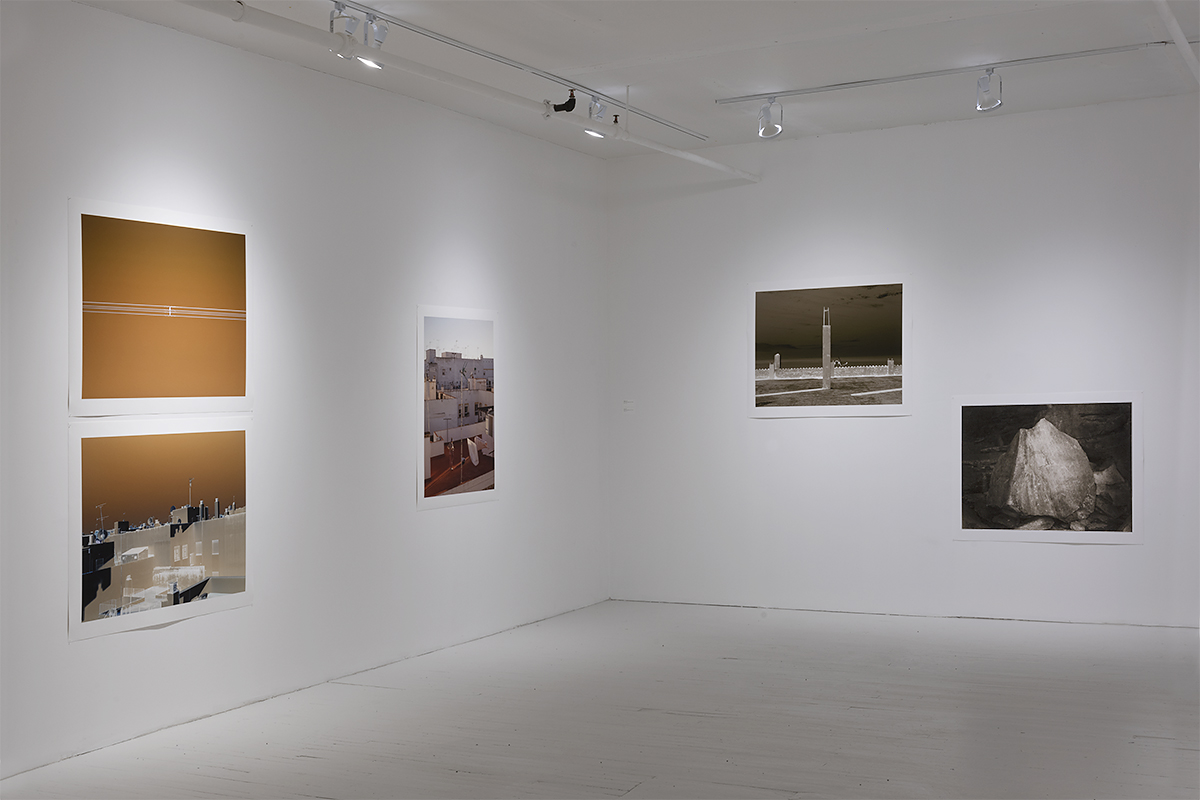
Vue d’ensemble de l’exposition Solstices, présentée en janvier 2026 à l’espace DÈS_recherches photographiques, Montréal

Vue d’ensemble du diptyque Jour contraire, 2026, 182 x 114 cm

Jour contraire, 2026, épreuve à jet d’encre sur papier archive, (partie du haut) 89 x 114 cm

Jour contraire, 2026, épreuve à jet d’encre sur papier archive, (partie du bas) 89 x 114 cm
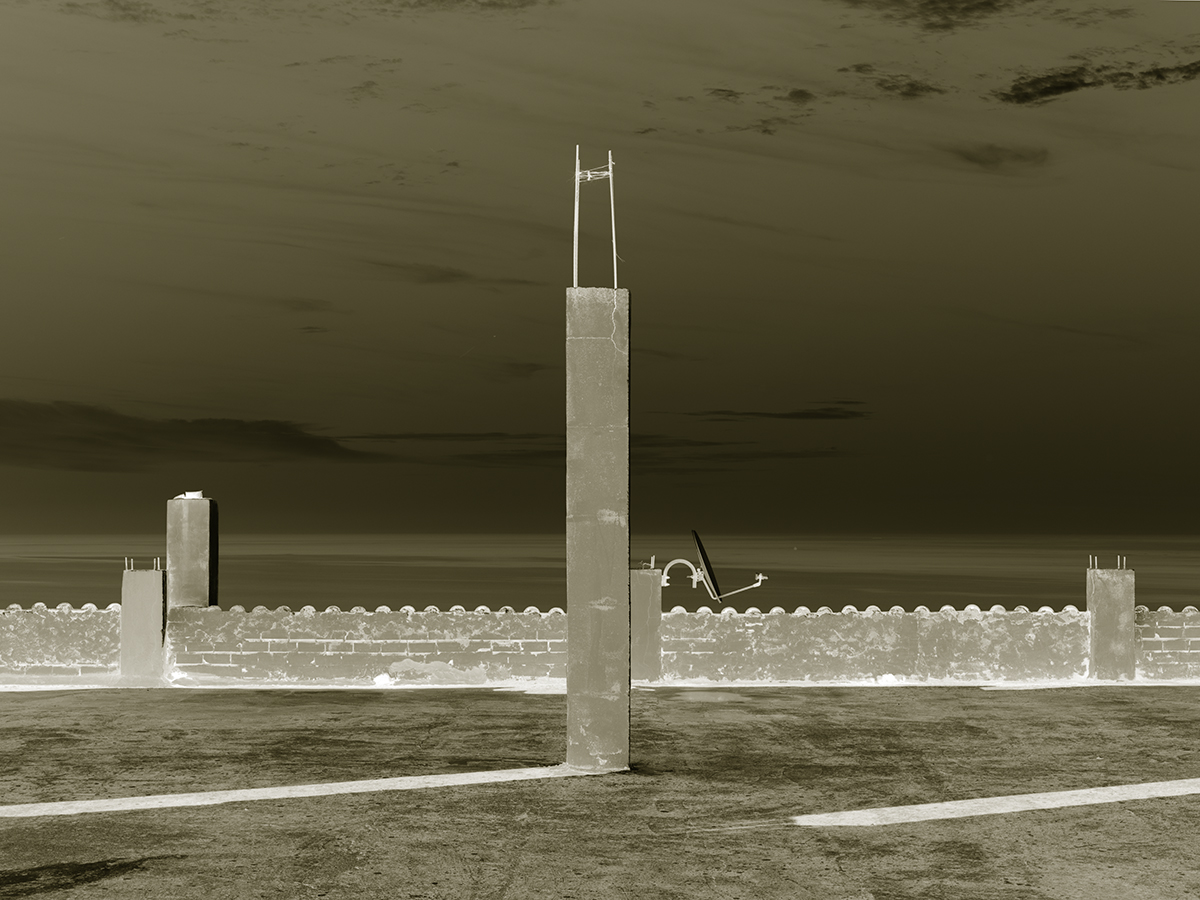
Mirador, 2026, épreuve à jet d’encre sur papier archive, 89 x 114 cm
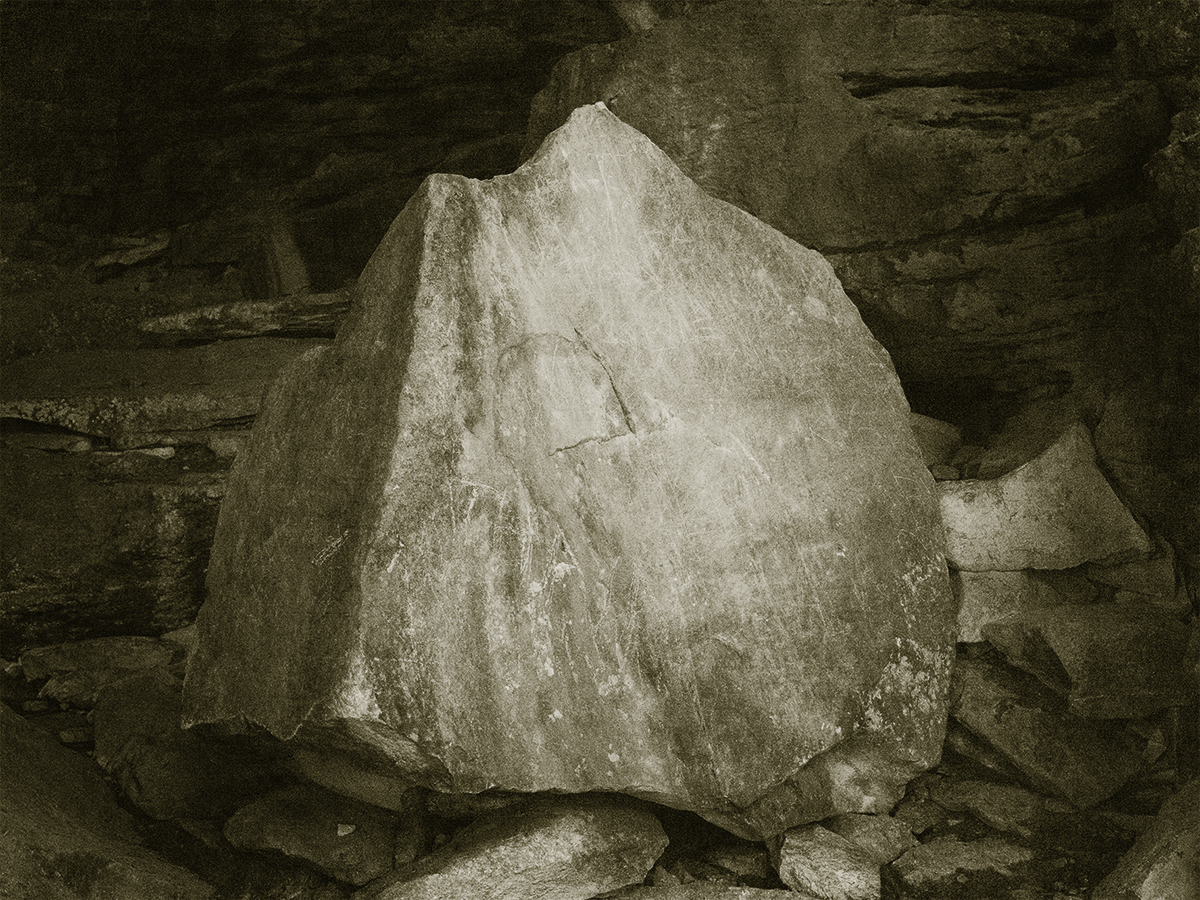
Orion, 2026, épreuve à jet d’encre sur papier archive, 89 x 114 cm
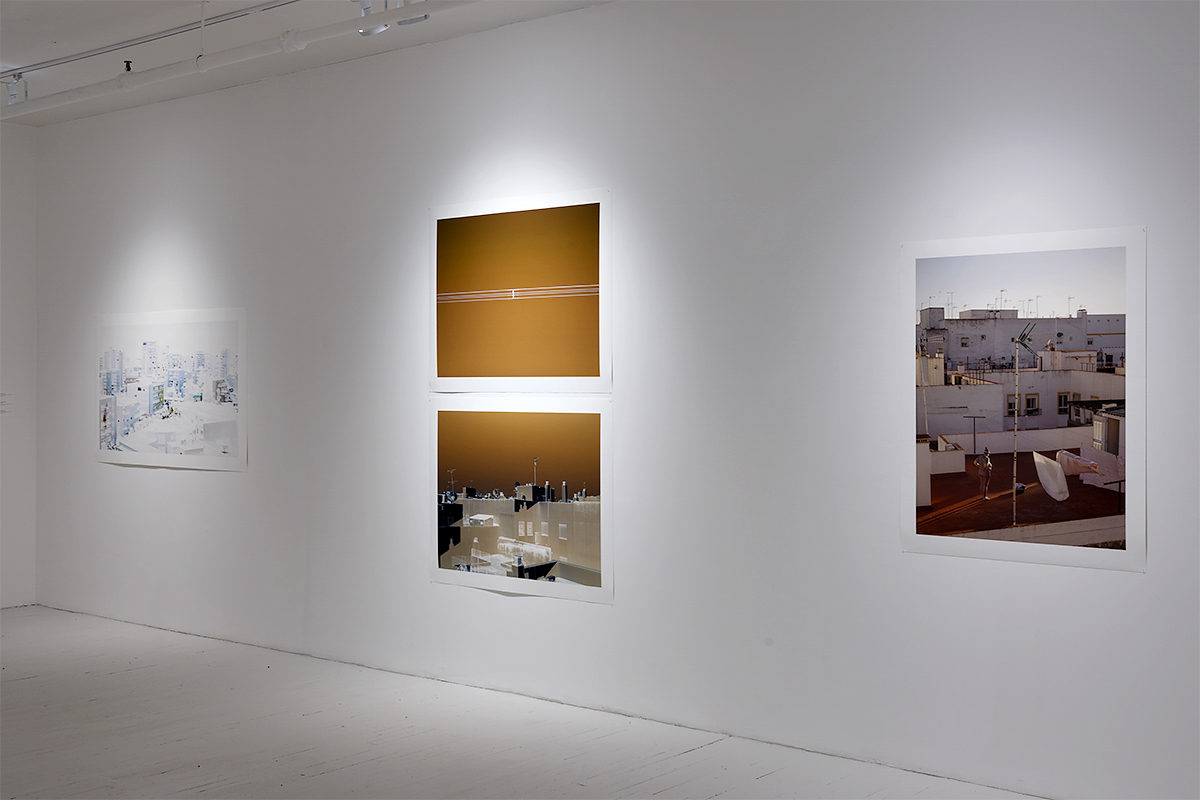
Vue d’ensemble de l’exposition Solstices, 2026
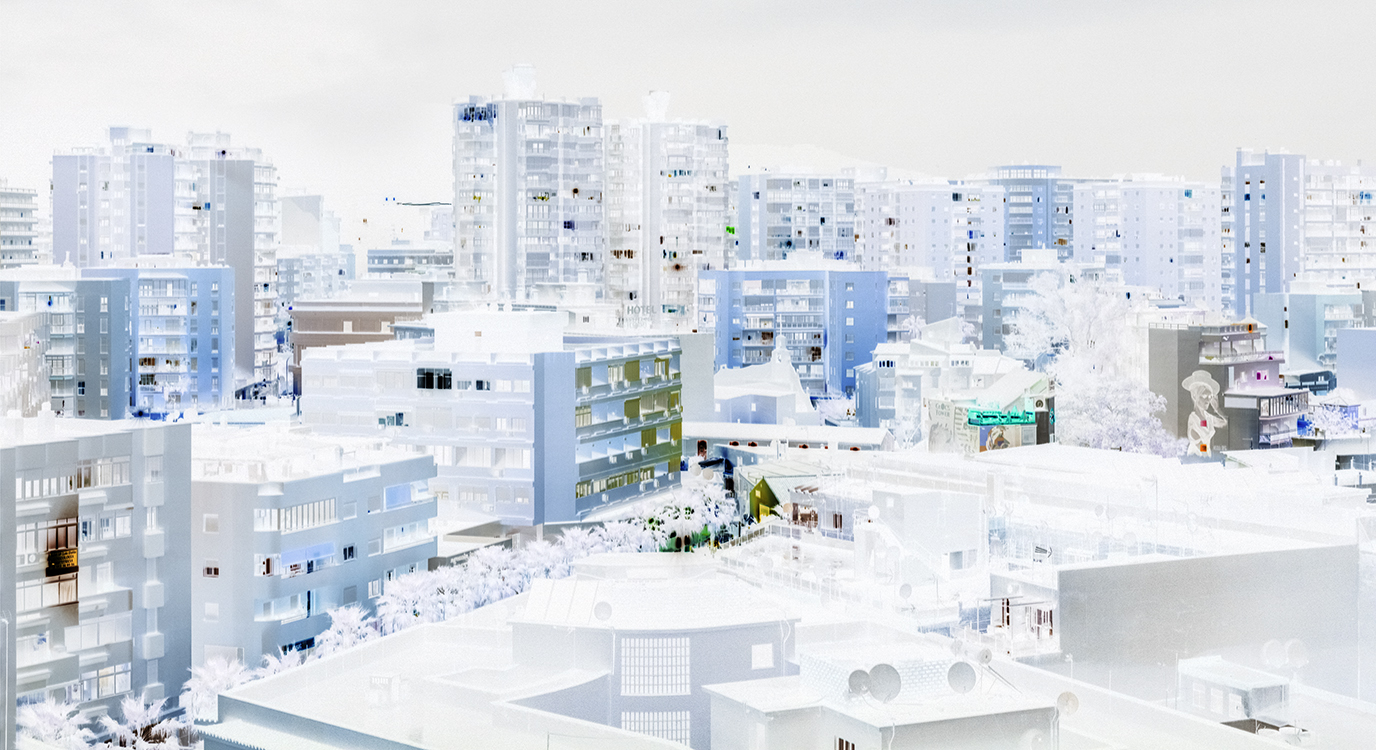
Le dehors, 2026, épreuve à jet d’encre sur papier archive, 93,5 x 155 cm
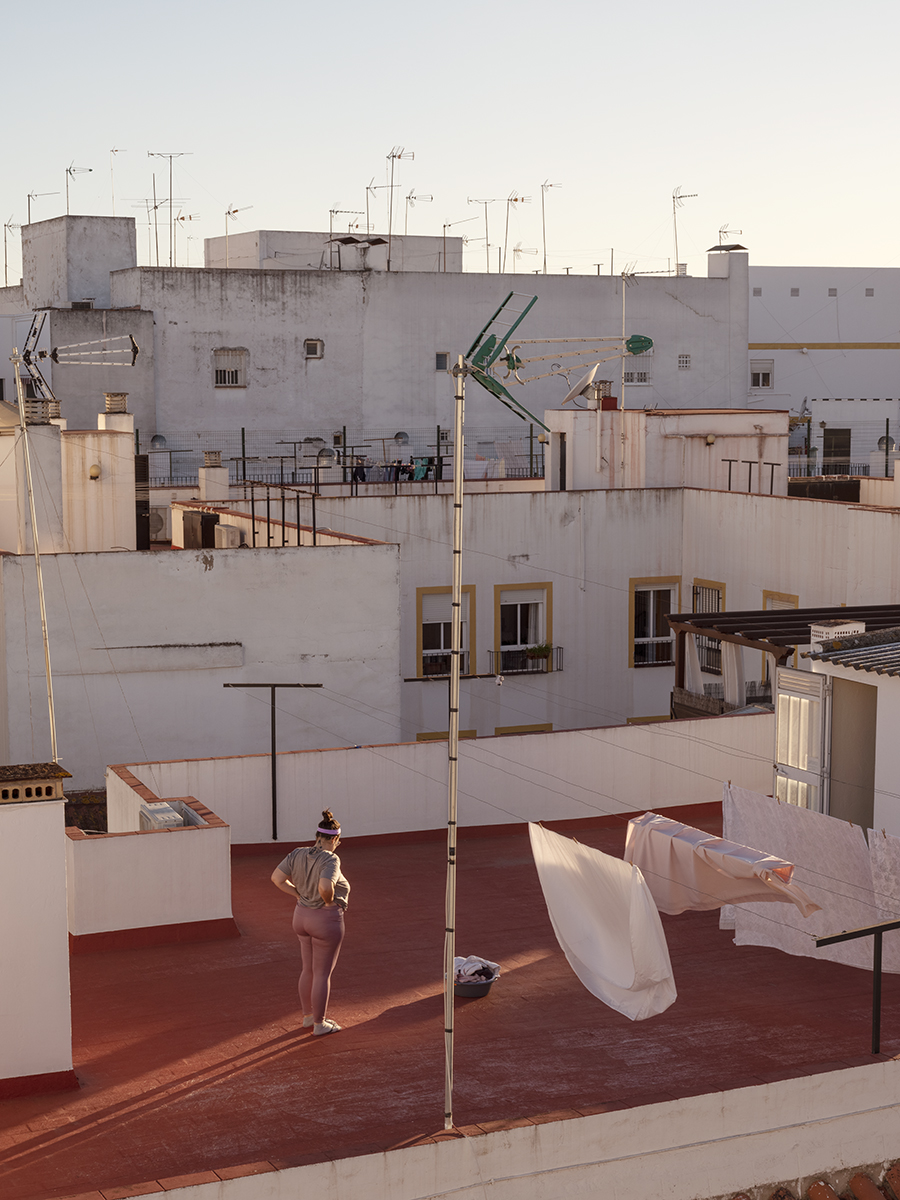
Échappée, 2026, épreuve à jet d’encre sur papier archive, 114 x 89 cm
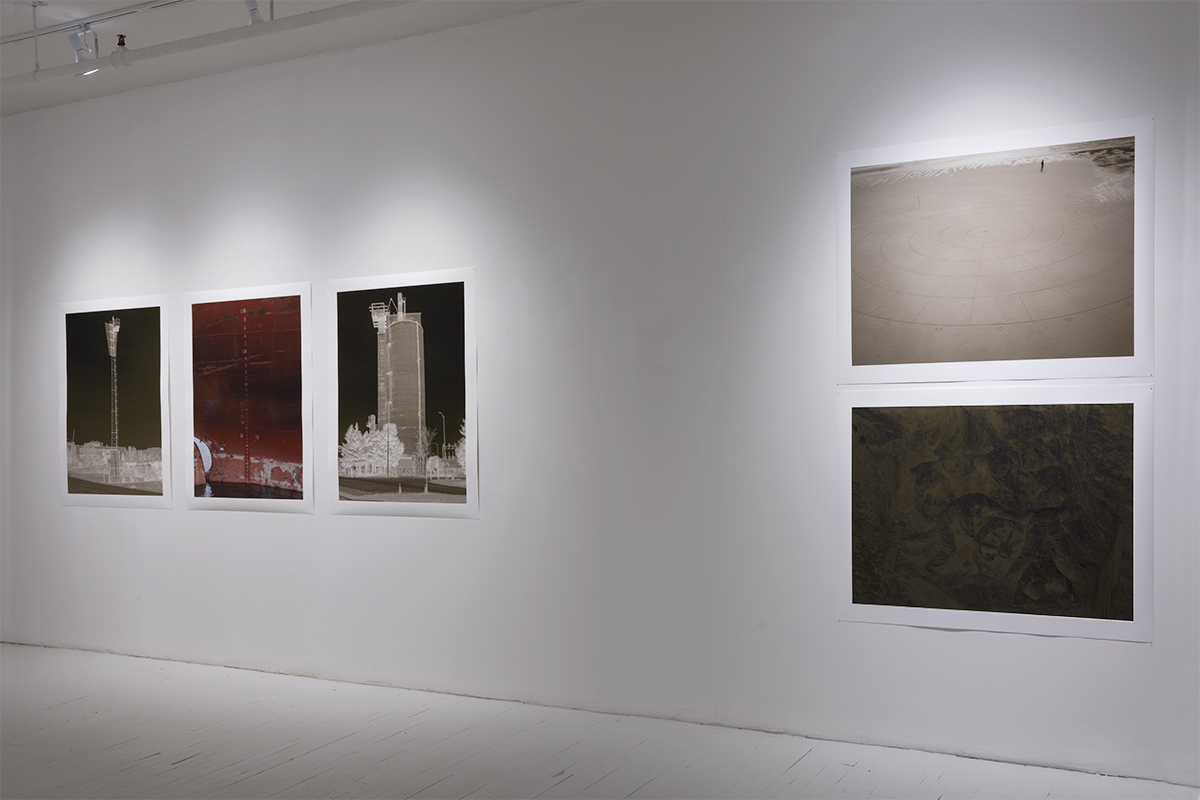
Vue d’ensemble de l’exposition Solstices, 2026

Vue d’ensemble du triptyque Donner figure, I, II, III, 2026

Donner figure I, 2026, épreuve à jet d’encre sur papier archive, 114 x 89 cm
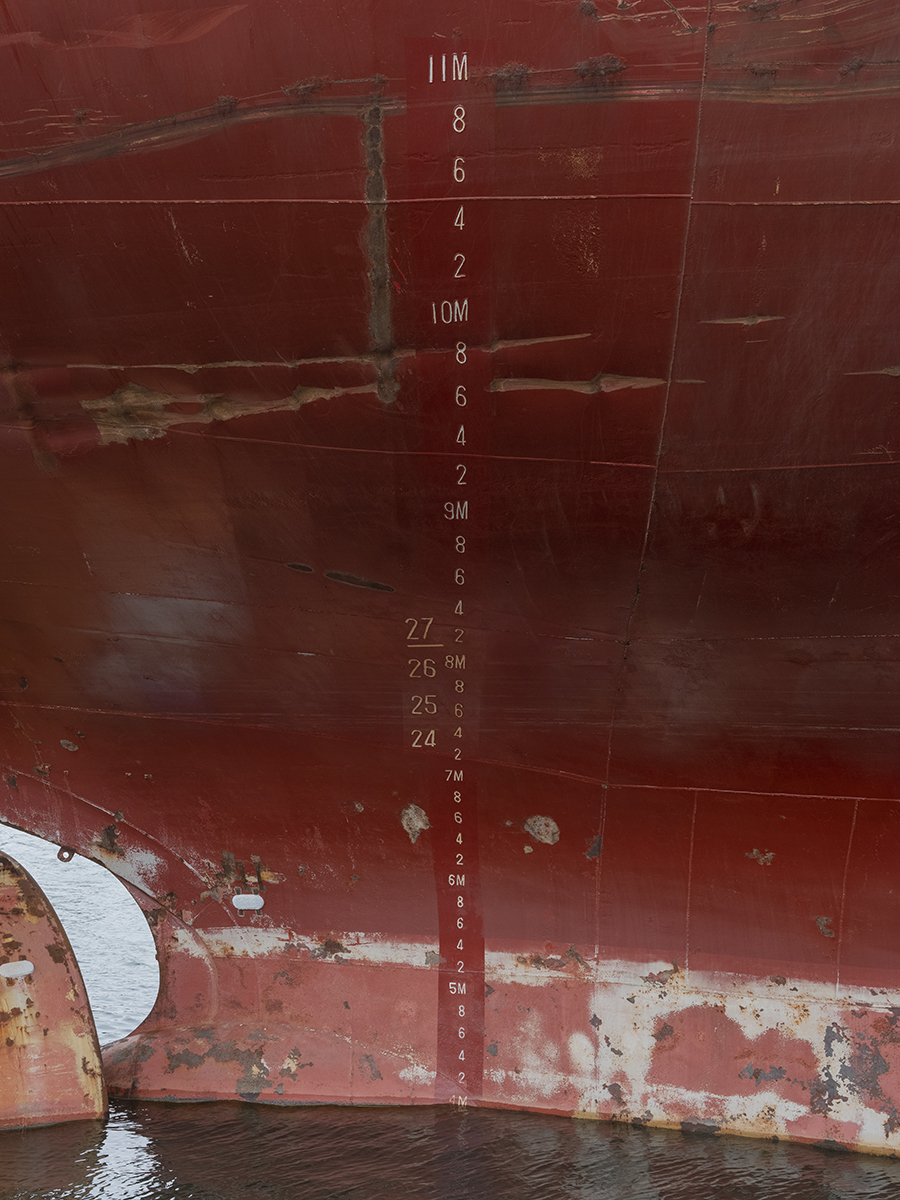
Donner figure II, 2026, épreuve à jet d’encre sur papier archive, 114 x 89 cm

Donner figure III, 2026, épreuve à jet d’encre sur papier archive, 114 x 89 cm
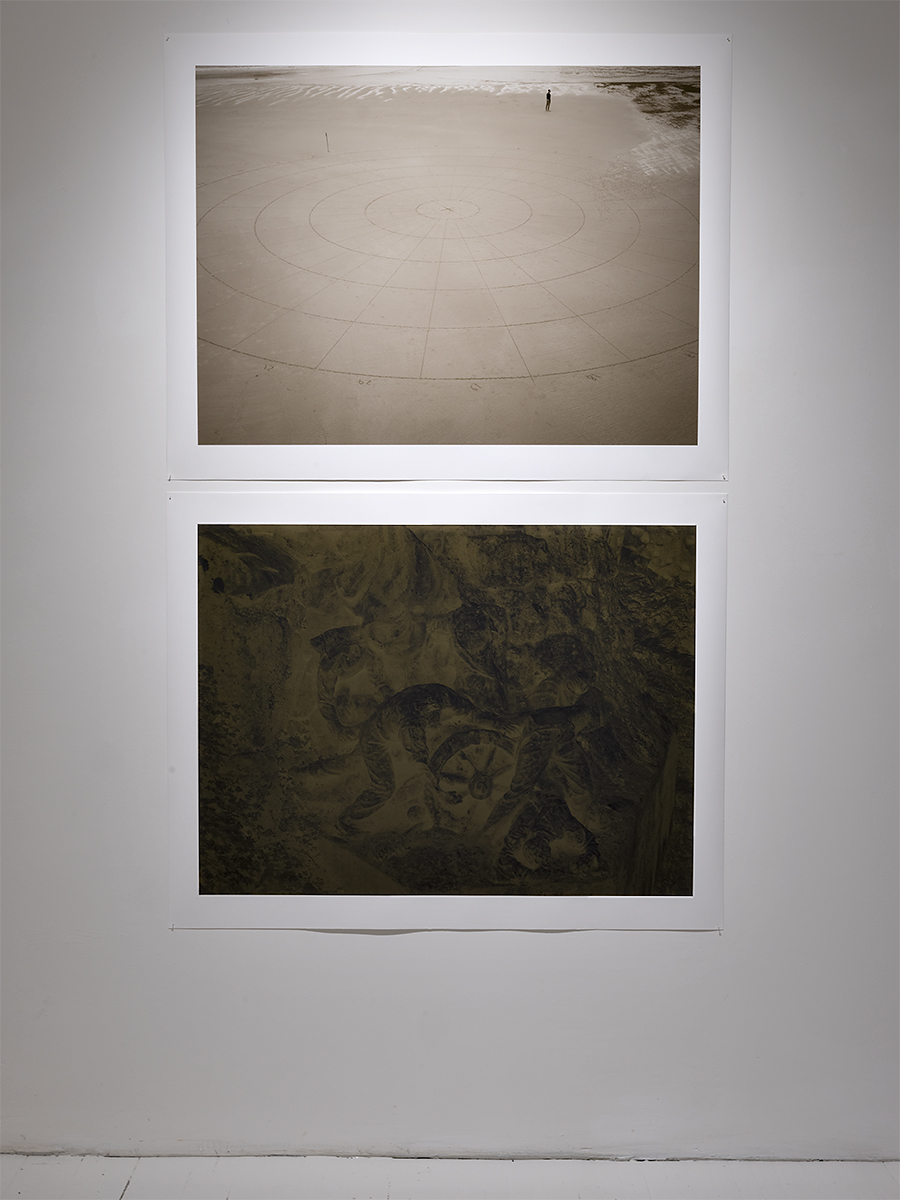
Vue d’ensemble du diptyque Circonvolutions, 2026, 182 x 114 cm
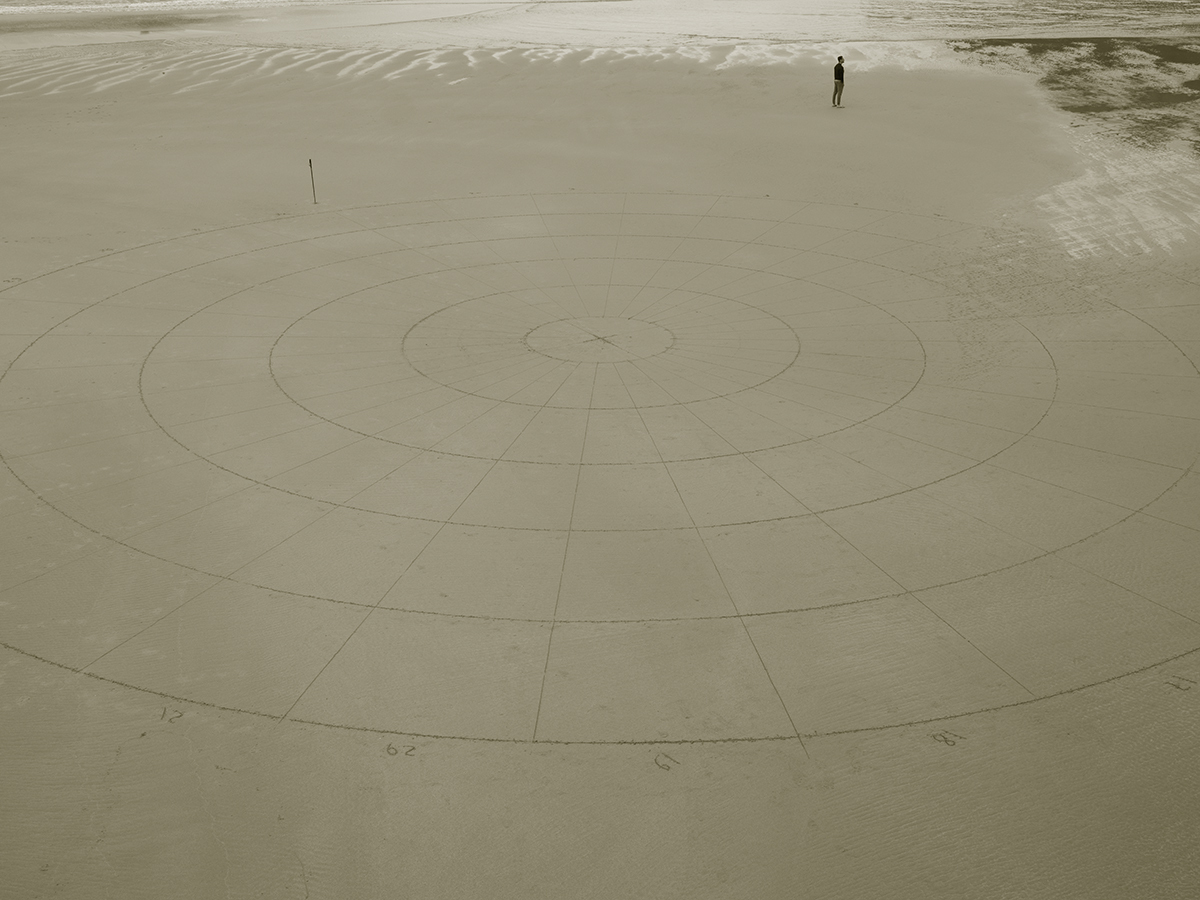
Circonvolutions, 2026, épreuve à jet d’encre sur papier archive, (partie du haut) 89 x 114 cm
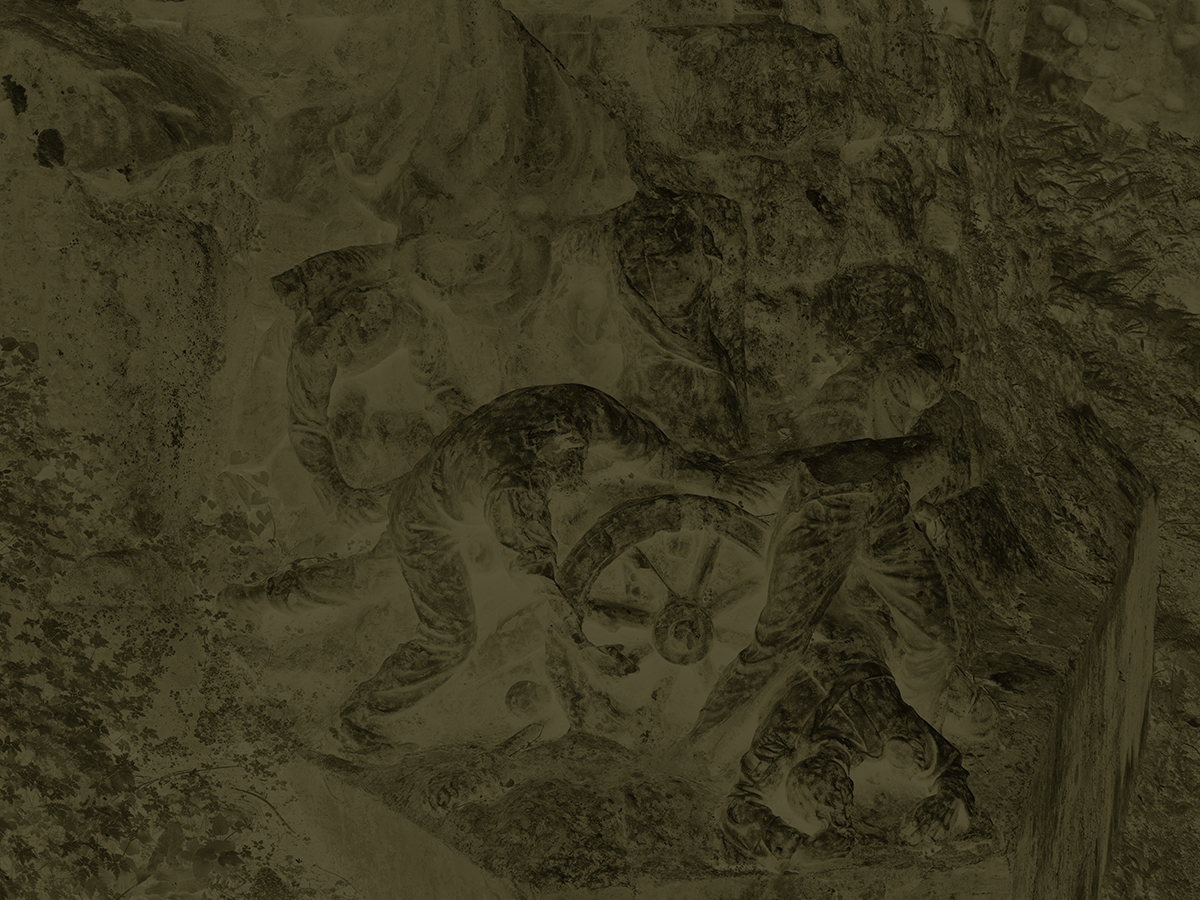
Circonvolutions, 2026, épreuve à jet d’encre sur papier archive, (partie du bas) 89 x 114 cm